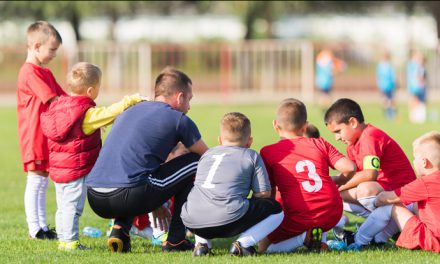
A restriction in soccer training sessions, for both adult and younger players, is any rule or limitation that changes how players can interact with the ball, their teammates, the scoring system, or the space around them. Restrictions, or constraints imposed during specific soccer drills or small-sided games, aren’t random rules; they’re strategic tools that coaches use to improve player development by replicating the pressure, speed, and decision-making demands of the real game.
When players face constraints during training sessions, something amazing happens: players are forced to adapt. For example, a forward practicing in small-sided games with touch restrictions develops sharper technical skills and quicker decision-making.
A midfielder working in tight spaces can develop better spatial awareness and learn to position themselves better. A defender training with limited time improves their ability to read the game and execute passes under pressure.
For players or coaches looking to add restrictions to a training session effectively, having the right soccer training gear and equipment can make these drills more efficient and realistic. In this article, I’ll break down what restrictions are and the most common types you can use during adult or youth soccer training sessions.
What are the different types of restrictions to use in soccer drills?
Restrictions in soccer training, also known as constraints, are boundaries, rules, or limitations that coaches use to create specific learning environments. When players are faced with limitations, they are forced to think outside the box, come up with creative solutions, and adapt their playing style to the demands of that game.
However, while restrictions can sharpen specific football skills, they can also hinder players’ decision-making and autonomy if overused. This means coaches should use restrictions strategically to avoid making players overly dependent on these artificial constraints for understanding different game concepts.
The balance between using and not using constraints during training is essential for the process of overall soccer player development. The following restrictions can be used for teams during different drills or small-sided games.
Remember, the main goal is to focus on key coaching points to develop a player’s skills in a controlled setting with an emphasis on that restriction.
Spatial Restrictions
Touch Restrictions
Time Restrictions
Numerical Restrictions
Technical Restrictions
Scoring Restrictions
Goalkeeper Restrictions
About Daniel:
Daniel Pena is the creator of the Art of Football, a blog site about all things related to the beautiful game. Daniel is also a passionate footballer, coach, and sports coordinator based in San Jose CA, and you can find out more at Coach Daniel PT.